
Introduction
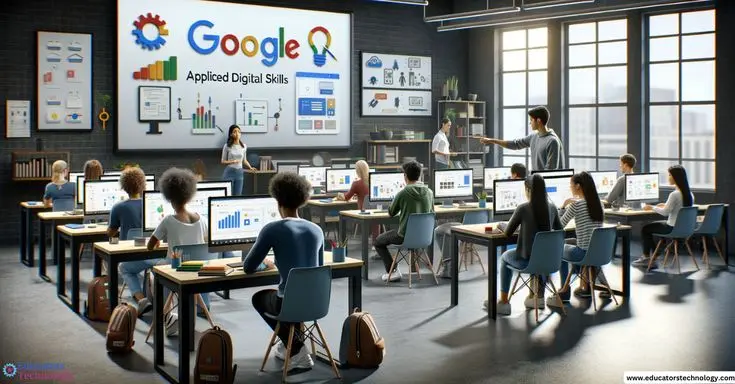
Technology has changed the way we live, work, and learn. In today’s digital world, education is no longer limited to classrooms, blackboards, and textbooks. One of the biggest transformations we see today is technology in education examples that make learning easier, faster, and more engaging for students of all ages.
From online classes to smart boards, from mobile learning apps to artificial intelligence, technology is shaping the future of education. Schools, colleges, and even self-learners are using digital tools to improve understanding and performance.
In this detailed guide, you will learn about real-life technology in education examples, how they work, their benefits, and how they are changing learning forever. The language is simple, the examples are practical, and the content is written for beginners and intermediate readers.
What Is Technology in Education?
Technology in education means using digital tools, software, and internet-based resources to support teaching and learning. It helps teachers explain concepts better and allows students to learn in more interactive ways.
Instead of only reading books, students can now:
- Watch educational videos
- Attend live online classes
- Use apps for practice
- Collaborate with classmates online
- Learn at their own speed
These technology in education examples are making learning more flexible and enjoyable.
Why Technology Is Important in Education
Technology plays a key role in modern education. It helps both students and teachers in many ways.
First, it improves access to education. Students from remote areas can learn online without traveling long distances.
Second, it supports different learning styles. Some students learn better through videos, while others prefer reading or interactive activities.
Third, technology saves time. Teachers can check assignments online, and students can get instant feedback.
Finally, it prepares students for future careers where digital skills are essential
1. Online Learning Platforms
One of the most popular technology in education examples is online learning platforms.
These platforms allow students to attend classes from anywhere using the internet. Some well-known platforms include Google Classroom, Coursera, Udemy, and Khan Academy.
Benefits:
- Learn anytime and anywhere
- Recorded lectures for revision
- Affordable or free courses
- Wide variety of subjects
Online learning became especially popular during the pandemic and continues to grow today.
2. Smart Classrooms
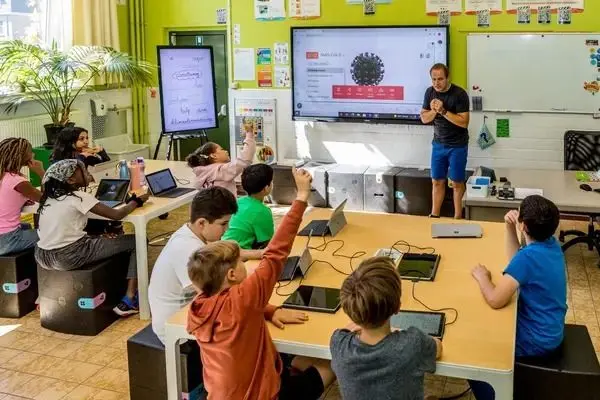
Smart classrooms use digital tools such as smart boards, projectors, and computers to improve teaching.
Instead of writing on a blackboard, teachers use interactive screens to show videos, diagrams, and presentations. This makes lessons more interesting and easier to understand.
Key Features:
- Interactive whiteboards
- Multimedia presentations
- Real-time quizzes
- Better student engagement
Smart classrooms are one of the best technology in education examples used in modern schools.
3. E-Learning Apps
Mobile apps have changed how students study. Learning apps are easy to use and available 24/7.
Some popular e-learning apps include:
- Byju’s
- Duolingo
- Khan Academy
- Coursera
- Udemy
These apps help students learn languages, math, science, coding, and many other subjects.
Advantages:
- Learn at your own pace
- Fun and interactive lessons
- Practice quizzes and tests
- Instant feedback
4. Virtual Classrooms
Virtual classrooms allow teachers and students to interact online in real time. Platforms like Zoom, Microsoft Teams, and Google Meet are commonly used.
Students can:
- Attend live lectures
- Ask questions
- Share screens
- Participate in discussions
This is one of the most practical technology in education examples, especially for distance learning.
5. Learning Management Systems (LMS)
A Learning Management System is software that manages educational courses and student data.
Popular LMS platforms include:
- Moodle
- Blackboard
- Google Classroom
- Canvas
Teachers can upload lessons, give assignments, track attendance, and monitor student progress.
LMS makes education organized and efficient for both teachers and learners.
6. Artificial Intelligence in Education
Artificial Intelligence (AI) is becoming a powerful tool in education.
AI helps in:
- Personalized learning
- Smart content creation
- Automated grading
- Chatbots for student support
For example, AI can analyze a student’s performance and suggest topics they need to improve.
This is one of the most advanced technology in education examples today.
7. Virtual Reality (VR) and Augmented Reality (AR)
VR and AR bring learning to life by creating immersive experiences.
With VR, students can:
- Visit historical places
- Explore the human body
- Travel to space
- Perform science experiments
AR adds digital elements to real-world environments, making lessons more interactive.
These technologies make learning fun and unforgettable.
8. Digital Libraries and E-Books
Digital libraries provide thousands of books, research papers, and journals online.
Students no longer need to carry heavy books. They can access study materials anytime using a smartphone, tablet, or laptop.
Benefits:
- Easy access
- Saves money
- Environment-friendly
- Updated content
This is another powerful technology in education example widely used today.
9. Online Exams and Assessments
Technology has changed how exams are conducted.
Online exams:
- Save time
- Reduce paperwork
- Provide instant results
- Reduce cheating with AI tools
Teachers can create quizzes, assignments, and tests easily using online platforms.
10. Educational Videos and YouTube Learning

YouTube has become one of the largest learning platforms in the world.
Students can find:
- Tutorial videos
- Concept explanations
- Exam preparation tips
- Skill-based courses
Educational channels make learning simple and visual, especially for complex topics.
11. Gamification in Education
Gamification means using game elements in learning.
Examples include:
- Points and badges
- Leaderboards
- Rewards for progress
This method increases student motivation and makes learning enjoyable.
Gamification is a creative technology in education example that improves focus and participation.
12. Cloud Computing in Education
Cloud technology allows students and teachers to store data online.
Benefits include:
- Access from anywhere
- Easy file sharing
- Data security
- Cost-effective storage
Google Drive and Microsoft OneDrive are common examples.
13. Collaborative Learning Tools
Technology encourages teamwork and collaboration.
Tools like:
- Google Docs
- Microsoft Teams
- Trello
Allow students to work together on projects, even from different locations.
This improves communication and teamwork skills.
14. Assistive Technology for Special Students
Technology also helps students with disabilities.
Examples include:
- Screen readers
- Speech-to-text tools
- Audio books
- Braille displays
These tools ensure inclusive education for everyone.
15. Coding and Robotics in Education
Many schools now teach coding and robotics from an early age.
Students learn:
- Problem-solving
- Logical thinking
- Creativity
- Technical skills
Coding platforms like Scratch and robotics kits make learning fun and practical.
Benefits of Technology in Education
Here are some major benefits of using technology in education:
- Improves student engagement
- Makes learning interactive
- Saves time and effort
- Encourages self-learning
- Enhances teacher productivity
- Provides global access to education
These advantages clearly show why technology in education examples are growing rapidly.
Challenges of Technology in Education
Despite its benefits, technology also has some challenges.
Common Challenges:
- Lack of internet access
- High cost of devices
- Digital distractions
- Need for teacher training
- Data privacy concerns
However, with proper planning, these challenges can be managed effectively.
Future of Technology in Education
The future of education is digital.
In the coming years, we will see:
- More AI-powered learning tools
- Virtual classrooms becoming common
- Personalized learning paths
- Increased use of VR and AR
- Smart schools and campuses
Technology will continue to reshape education and make learning more accessible for everyone.
How Students Can Use Technology Effectively
To make the best use of educational technology, students should:
- Set learning goals
- Avoid distractions
- Use trusted learning platforms
- Practice regularly
- Balance screen time
Using technology wisely can improve academic performance and skills.
How Teachers Can Use Technology Better
Teachers can enhance learning by:
- Using interactive tools
- Creating engaging content
- Encouraging online discussions
- Using data to track progress
- Updating their digital skills
Technology supports teachers, not replaces them.
Real-Life Technology in Education Examples
Here are some real-world examples:
- Schools using smart boards
- Universities offering online degrees
- Students learning coding through apps
- Virtual science labs
- AI-based exam evaluation
These technology in education examples show how digital tools are shaping modern learning.
FAQs – Technology in Education Examples
1. What is technology in education?
Technology in education means using digital tools, devices, and software to support teaching and learning. It includes online classes, learning apps, smart boards, and educational websites.
2. What are some common technology in education examples?
Some common examples include online learning platforms, smart classrooms, e-learning apps, virtual classrooms, digital libraries, AI-based tools, and educational videos.
3. How does technology help students in learning?
Technology helps students learn faster and better. It improves understanding, increases engagement, allows self-paced learning, and provides easy access to study material anytime.
4. What are the benefits of technology in education?
The main benefits include flexible learning, better student engagement, easy access to information, improved teaching methods, and enhanced digital skills.
5. Is technology in education useful for young students?
Yes, when used properly, technology helps young students learn through videos, games, and interactive activities. It makes learning fun and improves memory and focus.
6. What role does the internet play in education?
The internet connects students to online classes, study resources, videos, and global knowledge. It plays a major role in modern education systems.
7. What are the challenges of using technology in education?
Some challenges include lack of internet access, digital distractions, high device costs, and the need for teacher training. However, these can be managed with proper planning.
Conclusion
Technology has completely transformed the education system and made learning more simple, flexible, and effective. From online classes and smart classrooms to AI tools and digital libraries, the use of technology has improved the way students understand and interact with their studies. These technology in education examples show how learning is no longer limited to books or classrooms. Students can now learn anytime, anywhere, and at their own pace.
As technology continues to grow, education will become even more advanced and accessible. Teachers and students must learn how to use digital tools wisely to get the best results. When used correctly, technology can improve skills, boost creativity, and prepare learners for future careers. Overall, technology in education is not just a trend—it is the future of learning.