
Introduction
The world is changing faster than ever, and technology is at the center of this transformation. One of the most exciting developments is the rise of future smart devices that are designed to make life easier, safer, and more connected. From smart homes and wearable gadgets to intelligent healthcare tools and automated vehicles, these devices are slowly becoming part of our daily routines.
In simple words, future smart devices are tools that use advanced technologies like artificial intelligence, the Internet of Things, machine learning, and sensors to perform tasks automatically or with minimal human effort. They learn from user behavior, adapt to needs, and improve performance over time. As technology becomes more affordable, these devices are no longer limited to big companies or rich households.
Today, people want comfort, speed, and efficiency. Smart devices help save time, reduce effort, and improve decision-making. Whether it is a smart thermostat that adjusts room temperature or a smartwatch that tracks health data, the impact is already visible. In the future, these devices will become even more intelligent and deeply integrated into daily life.
This article will explain everything you need to know about future smart devices. You will learn what they are, why they matter, how they work, their benefits and risks, common mistakes to avoid, and expert tips for using them wisely. If you are a beginner or someone curious about technology, this guide will give you a clear and complete understanding.
What is Future Smart Devices?
Future smart devices are advanced electronic tools designed to perform tasks intelligently using modern technologies. These devices can sense their environment, collect data, analyze it, and make decisions with little or no human involvement.
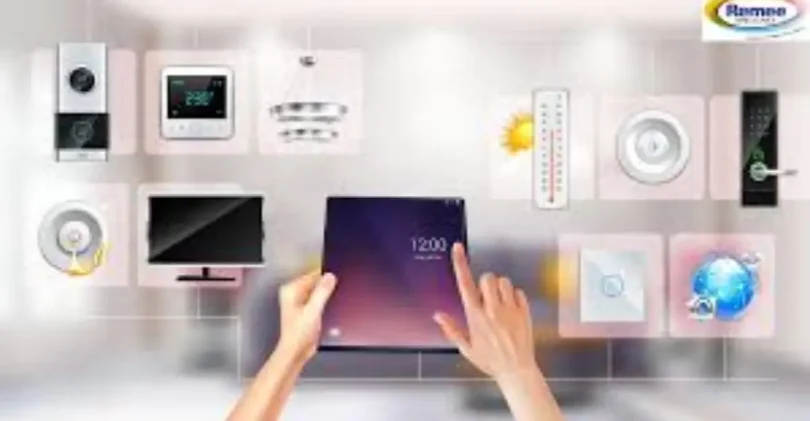
Unlike traditional devices, smart devices are connected to the internet and other devices. This connection allows them to share information and work together smoothly. For example, a smart home system can connect lights, fans, security cameras, and voice assistants into one controlled network.
Future smart devices go beyond basic automation. They use artificial intelligence to learn user habits and improve performance over time. For example, a smart refrigerator can track food usage, suggest recipes, and even notify users when items are about to expire.
These devices are expected to play a major role in homes, healthcare, education, transportation, and workplaces. As technology evolves, future smart devices will become more accurate, energy-efficient, and user-friendly.
Why is Future Smart Devices Important?
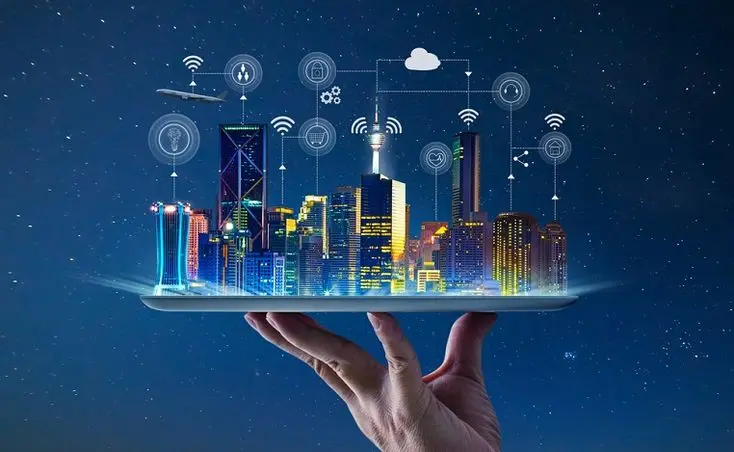
Future smart devices are important because they change how people live, work, and interact with technology. They offer solutions to modern problems such as time management, safety, energy consumption, and health monitoring.
One major reason for their importance is efficiency. Smart devices automate repetitive tasks, allowing people to focus on more meaningful activities. For example, smart assistants can manage schedules, set reminders, and control home appliances with voice commands.
Another reason is safety. Smart security systems, cameras, and sensors help protect homes and offices. In healthcare, smart devices monitor vital signs and alert doctors in emergencies, potentially saving lives.
Future smart devices also support sustainability. Smart energy systems reduce electricity waste, while smart transportation helps lower fuel consumption and pollution. As the global population grows, such solutions become essential for sustainable living.
In short, future smart devices are not just a luxury. They are becoming a necessity for a smarter, safer, and more efficient world.
Detailed Step-by-Step Guide
Step 1: Understanding the Core Technology
Future smart devices work using a combination of hardware and software. Sensors collect data, processors analyze it, and software takes action based on instructions. Technologies like AI, IoT, cloud computing, and big data play a key role.
Step 2: Connectivity and Networking
Most smart devices require internet connectivity. They use Wi-Fi, Bluetooth, or mobile networks to communicate with other devices or cloud servers. This connectivity allows real-time updates and remote control.
Step 3: Data Collection and Learning
Smart devices continuously collect data from users and surroundings. This data helps the system learn patterns and improve performance. For example, a smart thermostat learns when you are home and adjusts temperature accordingly.
Step 4: Automation and Control
Once data is processed, the device performs actions automatically. This could be turning off lights, locking doors, or sending alerts. Users can also control devices using mobile apps or voice commands.
Step 5: Security and Updates
Future smart devices rely on regular software updates to stay secure and efficient. Manufacturers provide updates to fix bugs, improve features, and protect against cyber threats.
Step 6: Integration with Other Devices
The real power of smart devices comes from integration. When devices work together, they create a seamless experience. For example, a smart alarm can turn on lights and start a coffee machine in the morning.
Benefits of Future Smart Devices
- Improve daily convenience and comfort
- Save time through automation
- Enhance home and personal security
- Reduce energy consumption
- Support better health monitoring
- Increase productivity at work
- Enable remote control and access
- Provide real-time data and insights
- Improve safety for elderly and children
- Support smart city development
Disadvantages / Risks
- High initial cost of devices
- Privacy and data security concerns
- Dependence on internet connectivity
- Technical issues and software bugs
- Compatibility problems between devices
- Risk of hacking if security is weak
- Learning curve for non-technical users
Common Mistakes to Avoid
Many people make mistakes when adopting future smart devices, which can reduce their benefits.
One common mistake is buying devices without checking compatibility. Not all smart devices work well together, so it is important to choose products that support the same platform.
Another mistake is ignoring security settings. Weak passwords and outdated software can expose devices to cyber threats. Always use strong passwords and update devices regularly.
Some users also expect instant perfection. Smart devices improve over time, so patience is necessary. Proper setup and regular maintenance are essential for best performance.
Lastly, buying too many devices at once can be overwhelming. It is better to start small and expand gradually based on needs.
FAQs
1. What are future smart devices in simple words?
Future smart devices are intelligent gadgets that use technology to perform tasks automatically and make life easier.
2. Are smart devices safe to use?
Yes, they are generally safe if proper security measures are followed, such as strong passwords and regular updates.
3. Do smart devices need the internet?
Most smart devices require internet access for full functionality, but some basic features may work offline.
4. Can smart devices save money?
Yes, they can reduce energy bills and maintenance costs by using resources efficiently.
5. Are smart devices difficult to use?
Most devices are user-friendly and come with simple apps and guides for easy use.
6. What is the future of smart devices?
The future includes more AI-powered, energy-efficient, and interconnected devices that improve daily life.
Expert Tips & Bonus Points
- Start with essential devices like smart lights or speakers
- Choose trusted brands with good customer support
- Always update firmware for security
- Use strong Wi-Fi protection
- Avoid sharing device access unnecessarily
- Read user reviews before buying
- Keep backup options in case of power or network failure
- Learn basic troubleshooting for better performance
These tips help you get the most value from future smart devices while avoiding common problems.
Conclusion
Future smart devices are transforming the way people live and interact with technology. They bring comfort, efficiency, and innovation into everyday life. From smart homes and wearable gadgets to intelligent healthcare systems, these devices are shaping a smarter world.
As technology continues to evolve, future smart devices will become more affordable, powerful, and user-friendly. They will help solve real-life problems, improve safety, and support sustainable living. However, it is important to use them wisely by understanding their features, benefits, and risks.
By choosing the right devices, maintaining security, and staying informed, anyone can enjoy the advantages of this smart future. Whether you are a beginner or someone looking to upgrade your lifestyle, future smart devices offer endless possibilities for growth, comfort, and efficiency.
The future is smart, connected, and innovative. Embracing future smart devices today means being ready for a better and more advanced tomorrow.