
Introduction
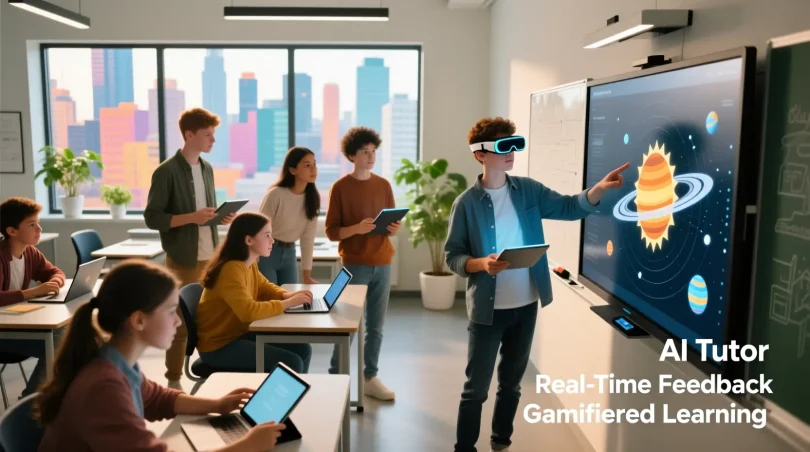
Education has changed a lot in the last few years. Classrooms are no longer limited to blackboards, chalk, and heavy textbooks. Today, digital tools, smart devices, and online resources play a major role in learning. This shift has made education more flexible, engaging, and accessible for students of all ages. One of the biggest reasons for this transformation is how technology helps students learn in better and smarter ways.
From online classes and educational apps to digital libraries and interactive videos, technology has made learning easier than ever before. Students can now study anytime and anywhere, revise lessons quickly, and understand complex topics through visuals and practical examples. Teachers also use technology to explain concepts more clearly and track student progress effectively.
Another important benefit is personalization. Every student learns at a different pace, and technology allows customized learning experiences. Whether a student needs extra practice or wants to move ahead, digital tools support both needs. This flexibility improves confidence and encourages independent learning.
In today’s digital world, understanding how technology helps students learn is essential for academic success. It not only improves knowledge but also builds important life skills such as problem-solving, communication, and critical thinking. This article will explain everything in simple language, covering benefits, steps, examples, mistakes to avoid, and expert tips to help students and educators make the best use of technology in education.
What Is How Technology Helps Students Learn?
How technology helps students learn refers to the use of digital tools, software, devices, and online platforms to support and improve the learning process. It includes computers, tablets, smartphones, educational apps, virtual classrooms, videos, and online resources that make education more interactive and effective.
Technology allows students to access information instantly. Instead of relying only on textbooks, learners can explore videos, presentations, and digital notes to understand topics better. It also supports different learning styles such as visual, auditory, and practical learning.
Another key aspect is communication. Students can connect with teachers, classmates, and experts through online platforms. They can ask questions, submit assignments, and receive feedback quickly. This saves time and improves learning outcomes.
In simple words, how technology helps students learn means using modern tools to make education easier, faster, more engaging, and more personalized for every learner.
Why Is How Technology Helps Students Learn Important?
Technology plays a vital role in modern education because it prepares students for the future. The world is becoming more digital, and students must develop technical skills early in life. Learning through technology helps them become confident and independent learners.
One major reason it is important is accessibility. Students from different locations can access quality education through online classes and learning platforms. This reduces the gap between urban and rural education.
Technology also increases engagement. Interactive videos, quizzes, and games make learning enjoyable. When students enjoy learning, they understand concepts better and remember them longer.
Another important factor is efficiency. Technology saves time for both students and teachers. Notes, assignments, and study materials are available instantly. Teachers can track progress easily and provide personalized support.
Overall, how technology helps students learn is important because it improves understanding, encourages creativity, supports self-learning, and prepares students for future careers.
Detailed Step-by-Step Guide
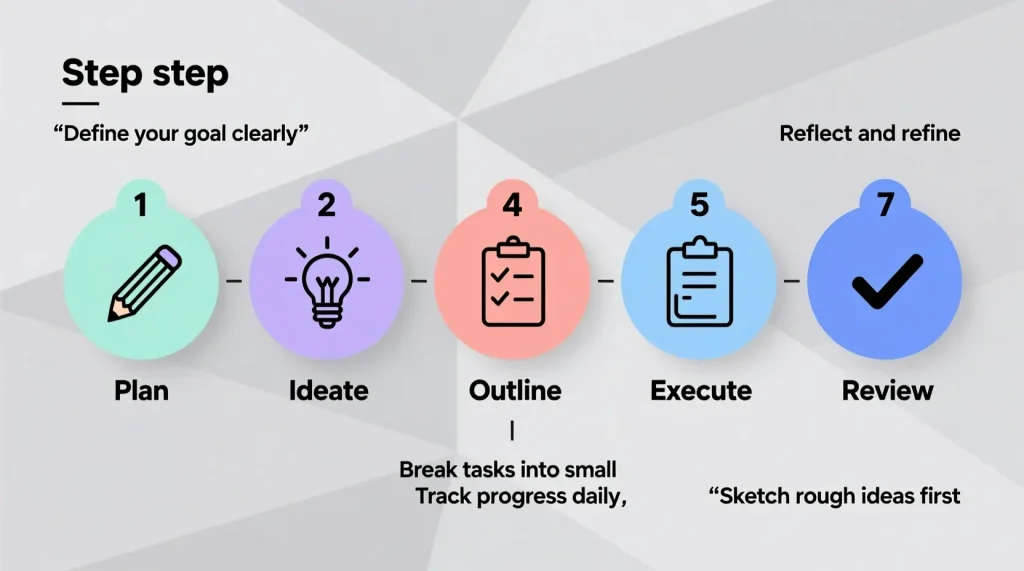
Step 1: Access to Digital Learning Resources
Technology provides students with unlimited learning materials. Online libraries, e-books, educational websites, and video tutorials are available 24/7.
Students can:
- Read digital textbooks
- Watch recorded lectures
- Download study notes
- Access practice questions
This easy access helps students study at their own pace and revise topics anytime.
Step 2: Interactive Learning Tools
Interactive tools make learning more interesting. Educational apps, quizzes, and simulations help students understand difficult concepts.
Examples include:
- Math problem-solving apps
- Science simulations
- Language learning tools
- Educational games
These tools improve concentration and make learning enjoyable.
Step 3: Online Classes and Virtual Learning
Online classes have become very popular. Students can attend live classes or watch recorded sessions. This flexibility helps students manage time better.
Virtual learning also allows:
- One-on-one teacher interaction
- Group discussions
- Online tests and assignments
It creates a classroom-like experience at home.
Step 4: Personalized Learning Experience
Technology helps students learn according to their level. Learning platforms analyze performance and suggest lessons based on strengths and weaknesses.
Benefits include:
- Customized study plans
- Self-paced learning
- Extra practice for weak areas
This improves confidence and academic performance.
Step 5: Better Communication and Collaboration
Students can communicate easily with teachers and classmates through emails, chat apps, and discussion forums.
Collaboration tools help in:
- Group projects
- Online discussions
- Sharing notes and ideas
This improves teamwork and communication skills.
Step 6: Easy Assessment and Feedback
Online tests and quizzes provide instant results. Students can quickly identify mistakes and improve.
Teachers can:
- Track student progress
- Give quick feedback
- Analyze performance reports
This helps in continuous improvement.
Benefits of How Technology Helps Students Learn
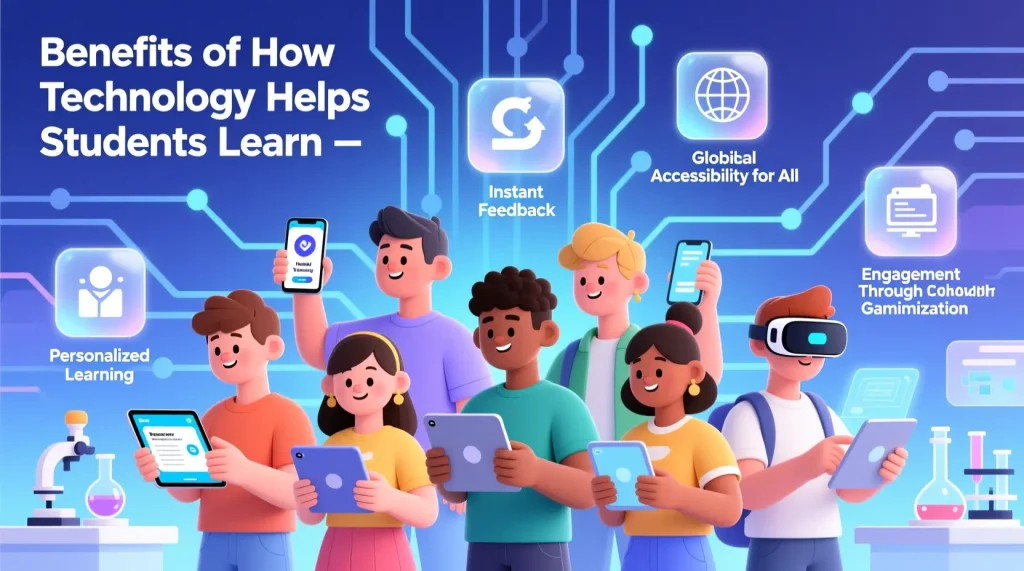
- Improves understanding through visual and interactive content
- Saves time and increases learning efficiency
- Supports different learning styles
- Encourages self-learning and independence
- Provides access to global knowledge
- Enhances communication between students and teachers
- Makes learning more engaging and enjoyable
- Helps students develop digital skills
- Allows personalized learning experiences
- Improves academic performance
Disadvantages / Risks
- Overuse of technology can cause distractions
- Excessive screen time may affect health
- Internet dependency can reduce focus
- Not all students have equal access to devices
- Technical issues can interrupt learning
- Reduced face-to-face interaction
- Risk of plagiarism and cheating
Despite these risks, proper guidance and balanced use can reduce negative effects.
Common Mistakes to Avoid
- Relying only on technology without understanding basics
- Using too many apps at once
- Ignoring offline study methods
- Poor time management during online learning
- Not verifying online information
- Lack of regular breaks
- Overdependence on digital tools
Avoiding these mistakes helps students get the best results from technology.
FAQs
1. How does technology help students learn faster?
Technology provides instant access to information, interactive tools, and personalized learning, which helps students understand topics quickly and clearly.
2. Is technology good for all students?
Yes, when used correctly, technology supports different learning styles and helps students learn at their own pace.
3. Can technology replace teachers?
No, technology supports teachers but cannot replace human guidance, motivation, and emotional support.
4. What are the best examples of educational technology?
Online classes, learning apps, digital books, educational videos, and virtual labs are common examples.
5. Does technology improve student engagement?
Yes, interactive content and multimedia make lessons more interesting and engaging for students.
6. How can students use technology responsibly?
Students should limit screen time, focus on educational content, and balance online and offline learning.
Expert Tips & Bonus Points
- Set clear learning goals before using digital tools
- Use trusted educational platforms
- Take regular breaks to avoid screen fatigue
- Combine technology with traditional study methods
- Stay organized with digital notes and planners
- Practice self-discipline during online learning
- Update skills regularly to stay competitive
These tips help students use technology effectively and responsibly.
Conclusion
Technology has become an essential part of modern education. It has transformed the way students learn, making education more accessible, interactive, and effective. From online classes and digital resources to personalized learning tools, technology offers endless opportunities for academic growth. Understanding how technology helps students learn allows learners to use these tools wisely and confidently.
When used correctly, technology improves understanding, saves time, and builds important life skills. It encourages independent learning, boosts confidence, and prepares students for future challenges. However, balance is important. Students must avoid overuse and focus on meaningful learning.