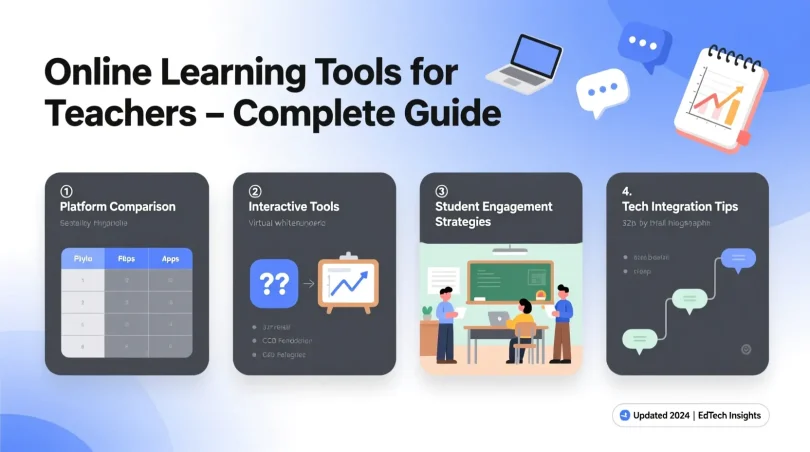

Introduction
Online learning has changed the way education works around the world. Teachers today are no longer limited to blackboards and printed books. Instead, they have access to powerful digital resources that make teaching easier, faster, and more engaging. Online learning tools for teachers have become an essential part of modern classrooms, whether teaching in schools, colleges, or virtual environments.
These tools help teachers create lessons, manage classrooms, assess student performance, and communicate more effectively. From video conferencing platforms to quiz builders and collaboration apps, everything is now available with just a few clicks. As education continues to evolve, teachers who use technology wisely can improve student understanding and save valuable time.
In this guide, you will learn everything about online learning tools for teachers. We will explain what they are, why they matter, how to use them step by step, and which mistakes to avoid. This article is written in simple English so beginners and intermediate readers can easily understand and apply the ideas. If you are a teacher looking to upgrade your teaching style or improve student engagement, this guide will help you make informed decisions and use digital tools confidently.
What is Online Learning Tools for Teachers?
Online learning tools for teachers are digital platforms, software, or applications that help educators plan lessons, deliver content, manage classrooms, and assess student performance online or in blended learning environments.
These tools can be used for live classes, recorded lessons, assignments, quizzes, group discussions, and feedback. They work on computers, tablets, and mobile phones, making learning flexible and accessible for both teachers and students.
Some common examples include:
- Learning management systems
- Video conferencing tools
- Online quiz and assessment platforms
- Digital whiteboards
- Content creation tools
The main purpose of these tools is to make teaching more interactive, organized, and effective. They also help teachers track student progress and adjust lessons according to individual learning needs.
Why is Online Learning Tools for Teachers Important?
Online learning tools for teachers play a crucial role in modern education. They help teachers adapt to new teaching methods and meet the changing needs of students.
First, these tools improve accessibility. Students can learn from anywhere, which is especially helpful for remote or hybrid education. Teachers can share lessons instantly and reach more learners without physical limitations.
Second, they increase engagement. Interactive quizzes, videos, and collaborative activities make learning more interesting. Students stay focused and participate actively in lessons.
Third, online tools save time. Teachers can automate tasks like grading, attendance, and lesson planning. This allows them to focus more on teaching and supporting students.
Finally, these tools support personalized learning. Teachers can track performance, identify weak areas, and provide customized support to each student.
Detailed Step-by-Step Guide
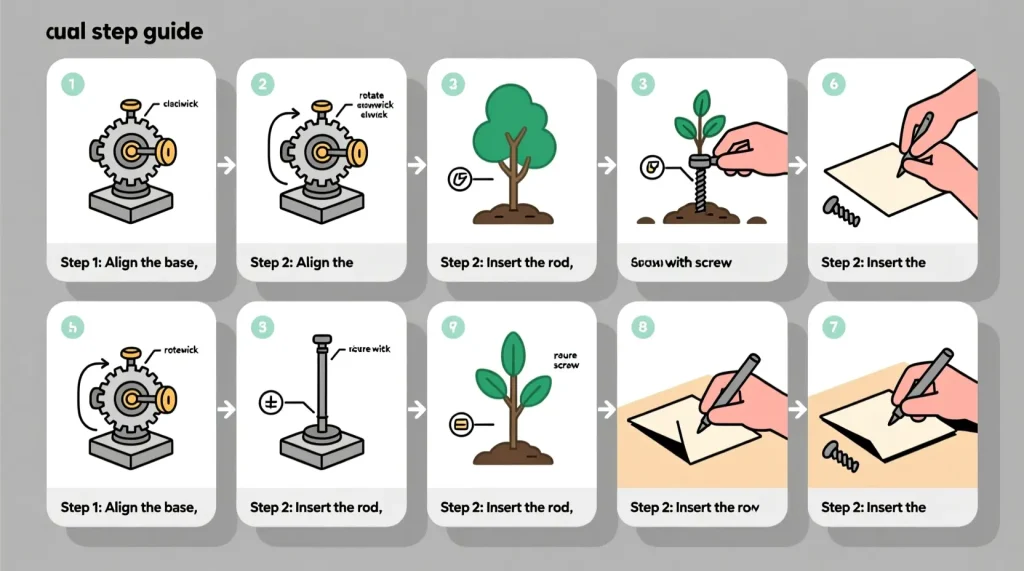
Step 1: Identify Your Teaching Goals
Before choosing any tool, teachers should clearly define their goals. Ask yourself what you want to achieve. Do you want to deliver live lectures, assign homework, track progress, or encourage group discussions?
Clear goals help you select the right online learning tools for teachers instead of using too many platforms unnecessarily.
Step 2: Choose the Right Type of Tool
Different tools serve different purposes. Some are best for live teaching, while others are ideal for assessments or content sharing.
Common categories include:
- Learning management systems
- Video conferencing platforms
- Assessment and quiz tools
- Collaboration and communication tools
- Content creation tools
Selecting the right category saves time and improves teaching effectiveness.
Step 3: Set Up Your Digital Classroom
Once you choose your tools, set up your digital classroom properly. Create class folders, organize lessons, upload materials, and set clear instructions for students.
A well-organized digital space helps students understand expectations and reduces confusion.
Step 4: Train Yourself and Students
Take time to learn how the tool works. Explore its features, settings, and options. Also, guide your students on how to use the platform effectively.
Short tutorials or demo sessions can make a big difference in smooth adoption.
Step 5: Create Engaging Content
Use videos, presentations, quizzes, and interactive activities to make lessons interesting. Avoid long lectures and break content into smaller parts.
Engaging content keeps students motivated and improves learning outcomes.
Step 6: Monitor Progress and Give Feedback
Most online learning tools for teachers offer tracking and analytics features. Use them to monitor attendance, assignments, and test results.
Provide timely feedback so students can improve and stay motivated.
Step 7: Improve and Update Regularly
Review your teaching methods regularly. Update content, try new tools, and improve based on student feedback.
Continuous improvement helps you stay effective and relevant.
Benefits of Online Learning Tools for Teachers
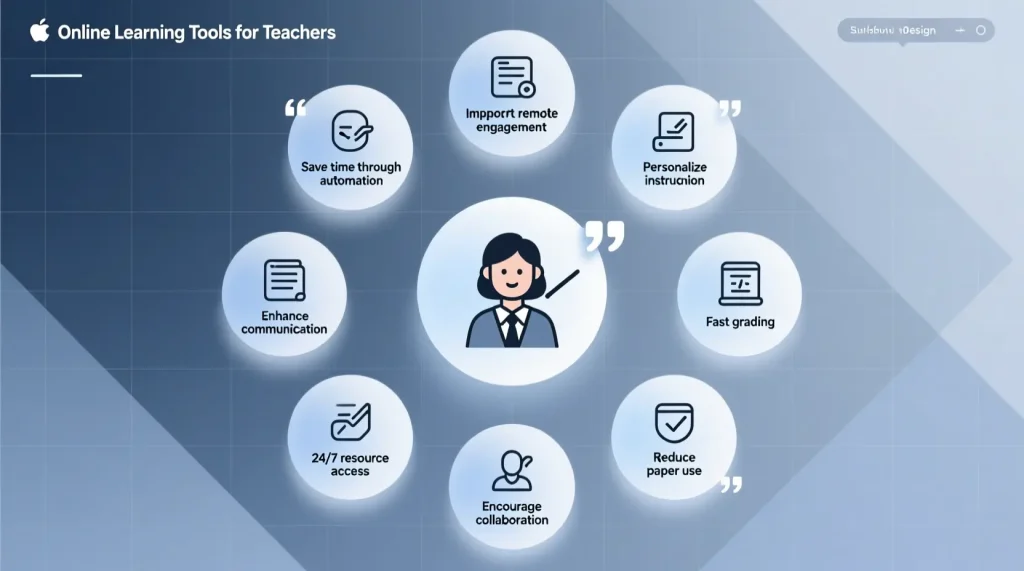
- Save time through automation and easy content management
- Improve student engagement with interactive features
- Support remote and hybrid learning models
- Allow personalized learning for different student needs
- Make assessment and grading faster and more accurate
- Enhance communication between teachers and students
- Provide access to digital resources anytime
- Help track performance and learning progress
- Encourage collaboration and teamwork
- Reduce paper usage and costs
Disadvantages / Risks
- Dependence on stable internet connection
- Technical issues can disrupt learning
- Learning curve for new tools
- Risk of student distraction online
- Data privacy and security concerns
- Limited personal interaction in some cases
- Overuse of tools can overwhelm students
- Not all students have equal access to devices
Understanding these risks helps teachers plan better and minimize problems.
Common Mistakes to Avoid
Many teachers make simple mistakes when using online learning tools. Avoiding them can improve your teaching experience.
One common mistake is using too many tools at once. This confuses students and increases workload. Stick to a few reliable platforms.
Another mistake is ignoring student feedback. If students find a tool difficult, consider switching or simplifying your approach.
Some teachers also forget to provide clear instructions. Always explain how to use tools and what is expected.
Not backing up data is another issue. Always save important materials and student records.
Lastly, avoid relying only on technology. Balance digital tools with human interaction and guidance.
FAQs
1. What are the best online learning tools for teachers?
The best tools depend on teaching needs. Common options include learning management systems, video conferencing platforms, and online assessment tools.
2. Are online learning tools suitable for all subjects?
Yes, most subjects can be taught using digital tools, including science, math, languages, and arts, with proper planning.
3. Do teachers need technical skills to use these tools?
Basic computer knowledge is enough. Most tools are user-friendly and offer tutorials for beginners.
4. Can online learning tools replace traditional teaching?
They cannot fully replace traditional teaching but can strongly support and enhance it.
5. Are online learning tools expensive?
Many tools offer free versions. Paid plans provide advanced features but are optional.
6. How can teachers keep students engaged online?
By using interactive content, quizzes, discussions, and regular feedback to maintain interest.
Expert Tips & Bonus Points
- Start with simple tools before moving to advanced ones
- Keep lessons short and interactive
- Use visuals to improve understanding
- Encourage student participation through polls and discussions
- Schedule regular breaks during online sessions
- Collect feedback to improve your teaching style
- Stay updated with new educational technology
- Maintain a balance between online and offline learning
These tips help teachers get the best results from online learning tools for teachers and create a positive learning environment.
Conclusion
Online education is no longer a future concept; it is a present-day reality. Online learning tools for teachers have become essential for delivering quality education in a digital world. They help teachers manage classes efficiently, engage students, and provide personalized learning experiences. When used correctly, these tools can transform traditional teaching into a more dynamic and effective process.
However, success depends on how wisely these tools are chosen and used. Teachers should focus on clear goals, simple tools, and student needs. By avoiding common mistakes and continuously improving their digital skills, educators can create meaningful learning experiences for students of all levels.
In the end, technology is only a support system. The real impact comes from a teacher’s dedication, creativity, and willingness to adapt. With the right approach, online learning tools can empower teachers and help shape a better future for education.